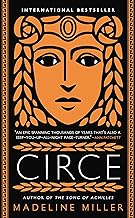
The resurgence of interest in Greek mythology through a modern, feminist lens has found one of its most powerful voices in Madeline Miller. Her novel, Circe, is not merely a retelling of an ancient myth but a profound reclamation of a character often sidelined as a mere witch or a footnote in the adventures of Odysseus. This mythological retelling has captivated readers worldwide, sparking discussions in book clubs and earning its place as a modern classic.
The Heart of the Story: From Goddess to Exile
Miller's Circe gives voice to the daughter of the sun god Helios. Rejected by her divine family for her perceived weakness and strange voice—which hints at her latent power of witchcraft—Circe is banished to a remote island. This isolation becomes her crucible. Far from being a passive prisoner, she hones her craft, interacts with famous figures from myth, and undergoes a transformative journey of self-discovery, agency, and resilience. The novel masterfully blends elements of fantasy and literary fiction, creating a deeply human story set against a divine backdrop.
Circe and The Song of Achilles: A Powerful Duo
To fully appreciate Miller's impact, one must also consider her debut, The Song of Achilles. This award-winning novel reimagines the Trojan War through the passionate relationship between Achilles and Patroclus. Together, Circe and The Song of Achilles form a seminal two-book collection that showcases Miller's unique talent for breathing intimate, emotional life into ancient epics. Readers often find that exploring both novels enriches their understanding of her thematic concerns—love, loss, glory, and the quiet power of those history overlooks. For a deeper analysis, our guide to Madeline Miller's Greek mythology offers excellent insights.
Expanding the Universe: Translations and Related Tales
The global appeal of Circe is evident in its availability in multiple languages, allowing a wider audience to connect with this timeless story. The Spanish edition of Circe [AdN] and the German novel Ich bin Circe demonstrate the novel's cross-cultural resonance. Furthermore, the narrative invites comparisons with other complex women of myth. Novels like Clytemnestra offer similarly fierce feminist retellings, exploring the rage and agency of another queen wronged by epic heroes. Fans of this genre might also enjoy the mystical labyrinths of Piranesi, which, while not mythological, shares a sense of wondrous isolation and discovery.
Companions and Collections: Deepening Your Engagement
The phenomenon of Circe extends beyond the novel itself into a rich ecosystem of companion works. For those drawn to the mystical aspects of the character, the Circe Tarot deck by Fabio Visintin offers a stunning visual interpretation, perfect for introspection and divination. Practitioners and the spiritually curious can explore goddess worship through The Little Book of Circe: Invocations and Prayers, part of the charming Little Magical Guides series. Meanwhile, for students and book clubs seeking structured discussion, the Study Guide for Book Clubs: Circe provides thoughtful questions and literary analysis to unlock the novel's many layers.
Madeline Miller's Circe stands as a towering achievement in contemporary mythological fiction. It transcends its source material to tell a universal story about finding one's power in solitude, the complexity of choice, and the redefinition of a happy ending. Whether you're encountering her story for the first time or returning to Aiaia for a revisit, the world of Circe—supported by its translations, companion guides, and related tales like The Song of Achilles—offers an endlessly enriching exploration of myth, magic, and humanity. Its status as a bestseller and potential book of the year contender is a testament to its powerful and enduring appeal.